

July 2026 Hey, author: Getting ready to present yourself for interviews at CPE?
In the Buoyancy shop, we continue to be busy booking interviews for author clients, and also preparing for interviews at CPE, the Christian Product Expo, coming up August 2-4.
We’ve decided for the next couple of weeks to try to be of service to any author readers of Buoyancy PR’s Week-ending Words who are also preparing to attend CPE next month to promote their books and hoping for interviews onsite. If that’s you, you may also be preparing materials to use with the news media. We’ve written about this topic several times over the years, and today’s missive is adapted from an earlier article.
There are some varying schools of thought on what publicity materials should look like and include, but we prefer the classic news approach. So, today we are going back to basics and doing a quick refresher on where to start.
Remembering you are the expert on your book and your exact topic, my advice is to get some thoughts together to be ready to share with Christian media, even having that info on hand for use when preparing social media posts.
And where to start is here:
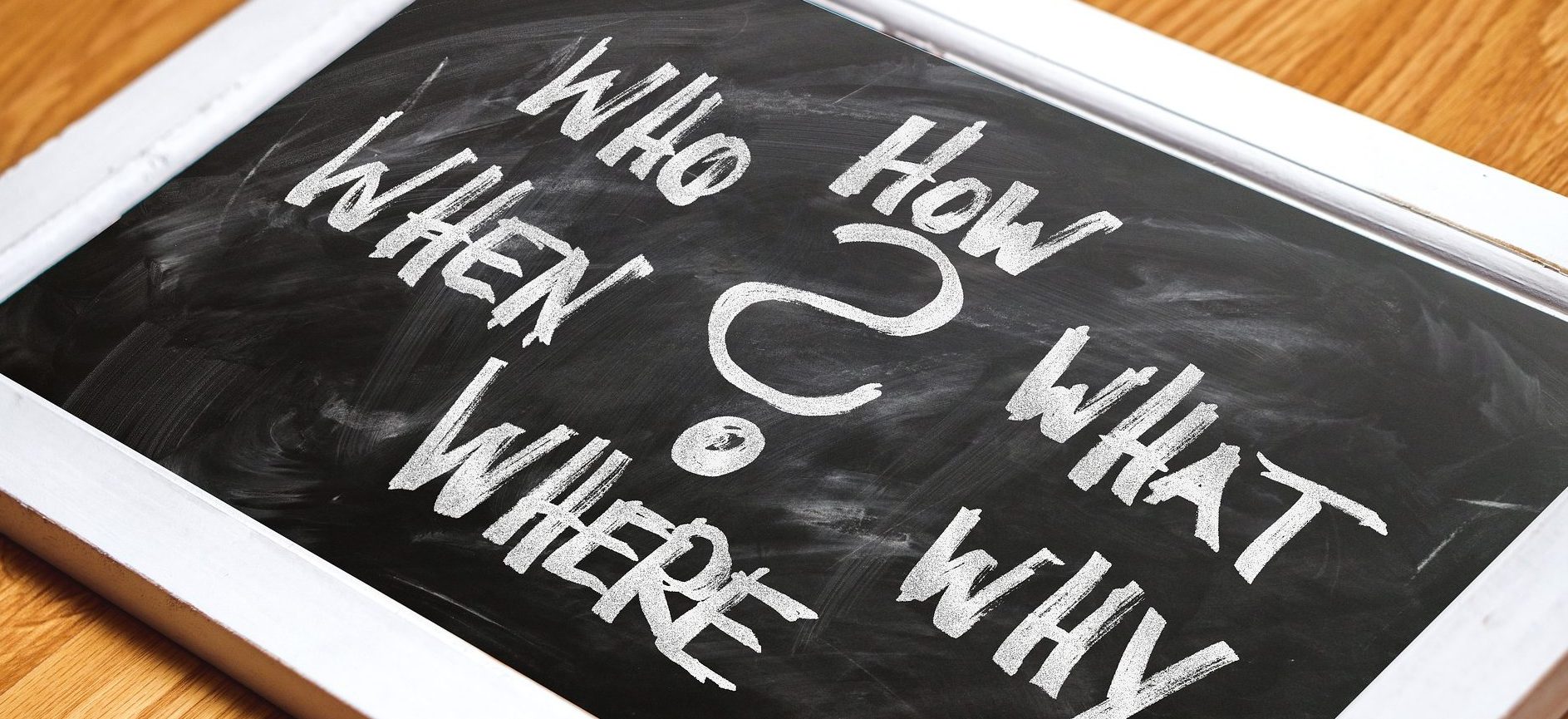
Who
What
When
Where
Why
and How
You may know these already. But they are good to think about, whether it’s new info or a reminder, for those of you writing your own publicity materials.
To connect with the media, you need to reach out to them and also have additional materials on hand to give them to help them in getting the interviews completed efficiently and professionally. We believe quite strongly that you as an author are best served in seeking these interviews if the basic written element for this, the news release (also called a press release) is written like a professional news story, not a marketing piece with superlatives and exclamation points.
When it comes to news writing, the basics have not changed among professionals.
News releases have short paragraphs, short sentences, and start with the most important facts first.
These things are clustered under a headline in larger type.
You also need a news hook, or news angle, but keep reading.
First things first.
It all starts with the Who, What, When, Where, Why, and How (and if it’s a ticketed event, that also includes How Much). They get referred to as “the 5Ws.” Sometimes people with plenty of breath will even say the “the 5 Ws and an H.”
The first paragraph, called the lead paragraph, is most often one sentence, and often not very long. So, you don’t try to pack all 5 Ws into one sentence, or even one paragraph.
All news stories (and many other communication forms) need at least the first four of these, and usually one or both of the Why and How. Stories aren’t always written with those Ws in that order, but that order in my opinion at least often indicates the order of the importance of the information. If you want some examples, find a news site online (I always recommend the newswire service Associated Press). Not all stories will follow a classic news style (and shouldn’t) but, if you find a story about a recent event such as, unfortunately, a recent disaster or maybe a medical discovery, you’ll likely find a story where the 5Ws aren’t hard to spot.
But back to you.
Let’s say you are writing a news release about an upcoming book event or book signing. Use that list of 5 Ws and an H to guide your writing and make sure you don’t forget anything.
You might be surprised to know how many times people leave one or two of them out.
Like an address, or the time of the event.
Other types of writing, including a news release announcing the release of your book, need other elements as well, such as your book release date, price, publisher and generally the ISBN number. Those details generally come toward the end of the news release.
There is a lot more to know also about knowing what to write, how to write it, and how to work with the media, but if you are putting out information, be sure you’ve double checked to make sure your news item includes the basic 5Ws facts.
Now about that news hook.
Whenever you send out material to the news media, try to imagine their overpacked in boxes and all the voices clamoring for their attention.
This is where a news hook comes in.
You want to find something out of those 5 Ws that is compelling and interesting, maybe tugs on the heartstrings. You want that in your headline, and in your first paragraph, called the lead paragraph. Writing the lead often takes more time than anything else even though it’s often also the shortest sentence of the news release.
One of Buoyancy PR’s primary goals is to obtain media interviews for our clients with Christian media, and we do this all year long digitally as well as in person at on-site events such as the upcoming CPE event, the Christian retail show for bookstore owners, also attended by authors and some media folk.
Some authors find doing all of this writing and promoting themselves uncomfortable or just one thing too many to do with marketing their books, so they ask us to come alongside and make it happen.
If that sounds like you, write to us today and we’ll set up a phone call to talk further, including talking about getting some help for CPE. There’s still time for us to help you, even though CPE is August 2-4, but we would need to hear from you no later than the end of next week, July 17.
Let us know how we can help.


No Comments